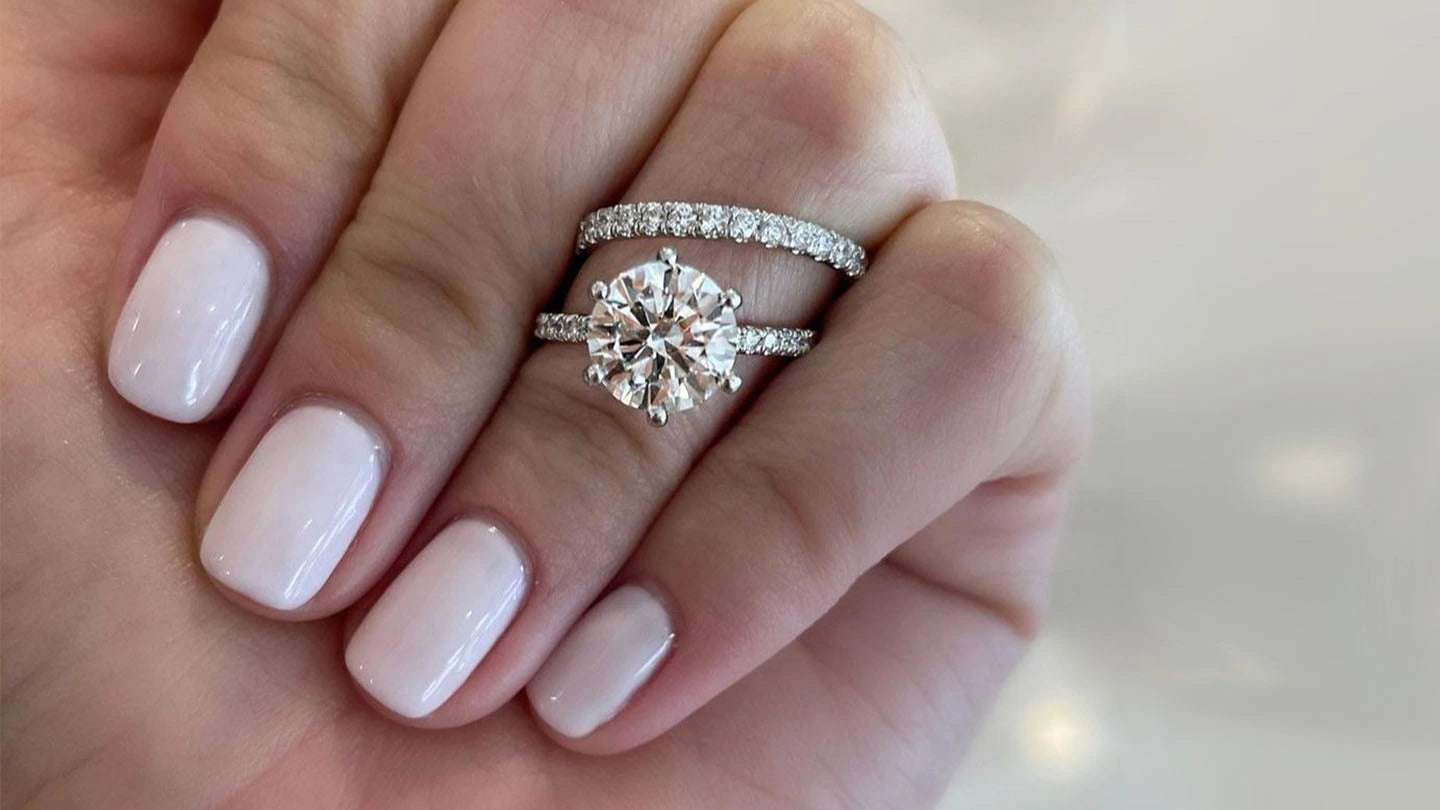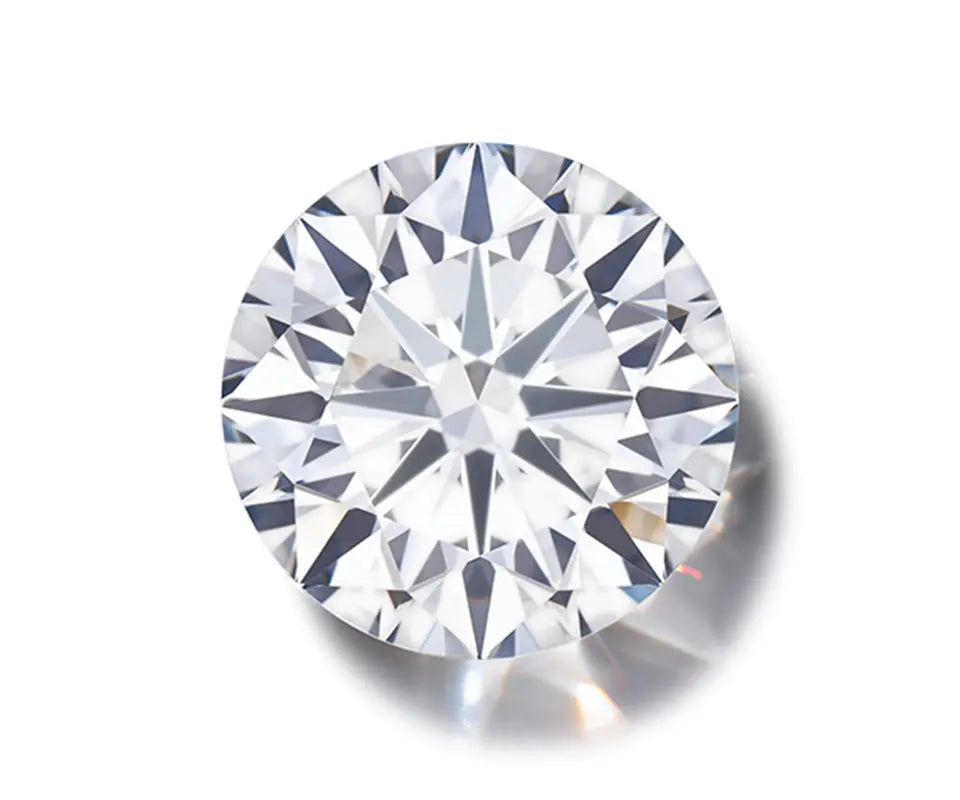
Round
Balanced & brilliant
What to look for
A circular outline with lively, brilliant-style faceting. A versatile starting point for almost any setting.
Compare light performance as you gently move the diamond.
YOUR RING. YOUR POINT OF VIEW.
Discover your shape, understand diamond quality and explore the setting you’ll love wearing every day.
01 / DIAMOND SHAPES
Ten distinctive outlines. Start with two favorites, then compare the actual diamonds in person.
Balanced & brilliant
A circular outline with lively, brilliant-style faceting. A versatile starting point for almost any setting.
Compare light performance as you gently move the diamond.
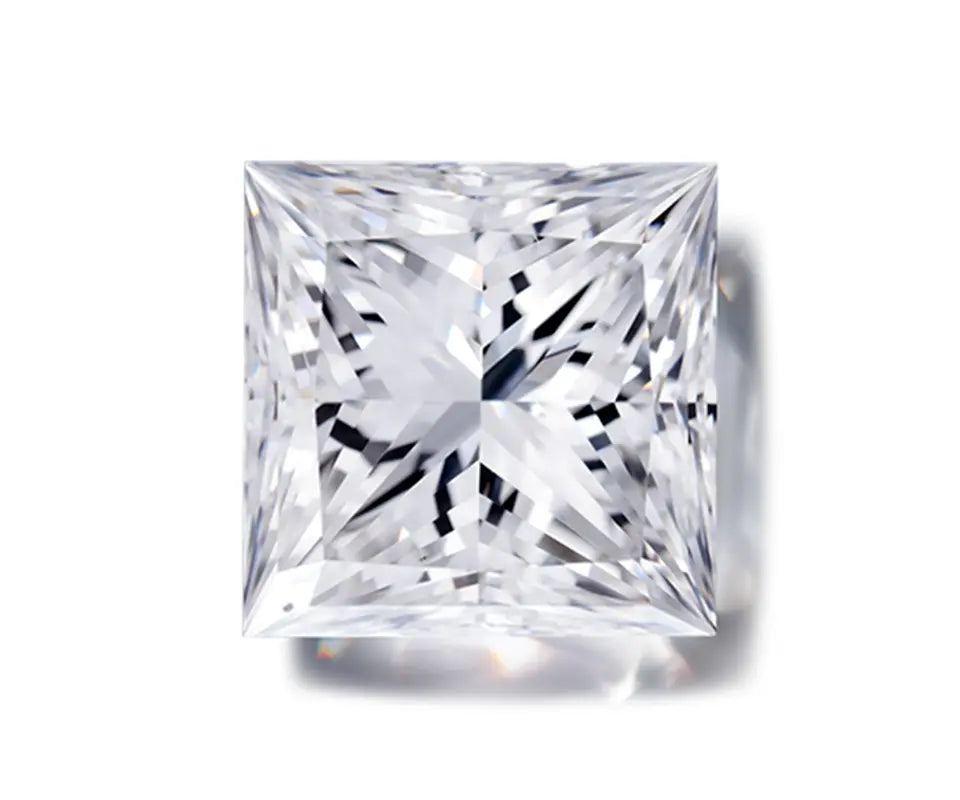
Clean & geometric
A square outline with pointed corners and bright, brilliant-style sparkle.
Ask how the setting protects the four corners.
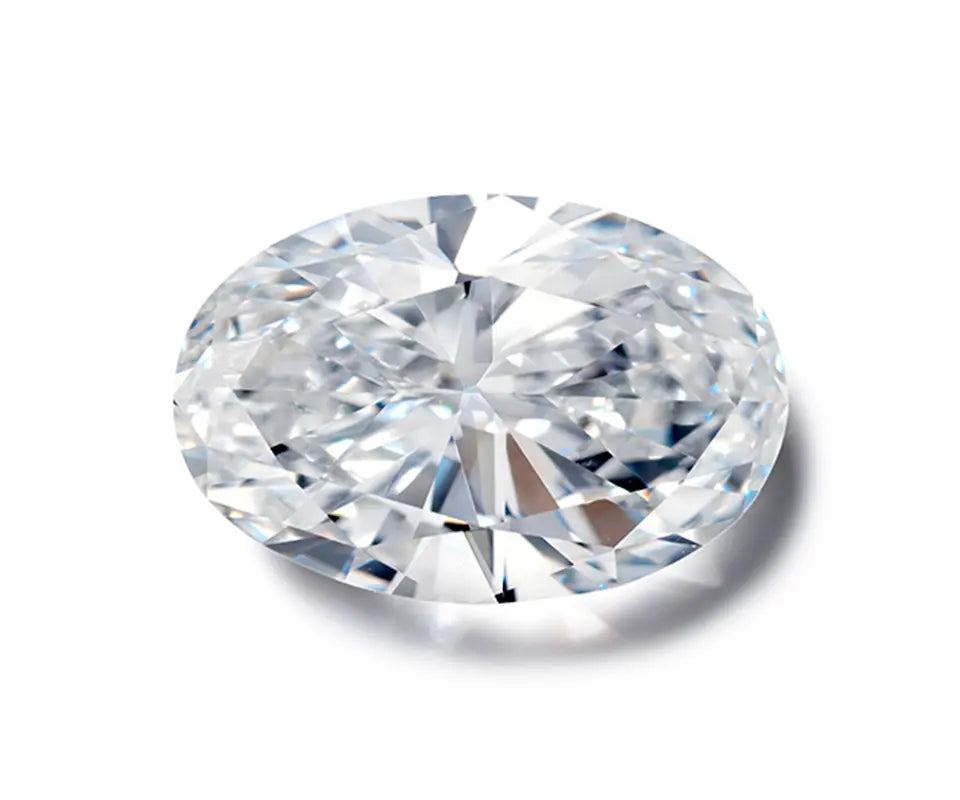
Soft & elongated
A rounded, elongated silhouette. The length-to-width ratio changes how slender or full it looks.
View the center in motion to judge any bow-tie shadow.

Sculptural & distinctive
An elongated outline that tapers to a point at both ends. Striking worn vertically or east-west.
Look for balanced curves and protection at both tips.
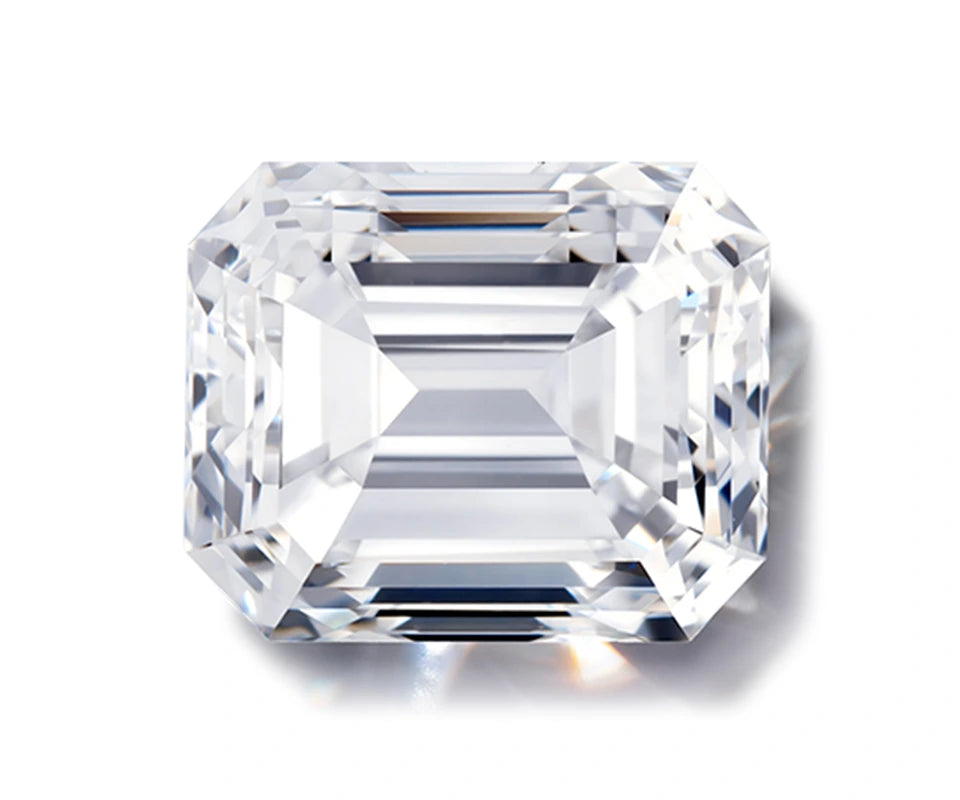
Understated & architectural
A rectangular step cut with cropped corners and broad, mirror-like flashes.
Its open facets make clarity and transparency easy to examine.
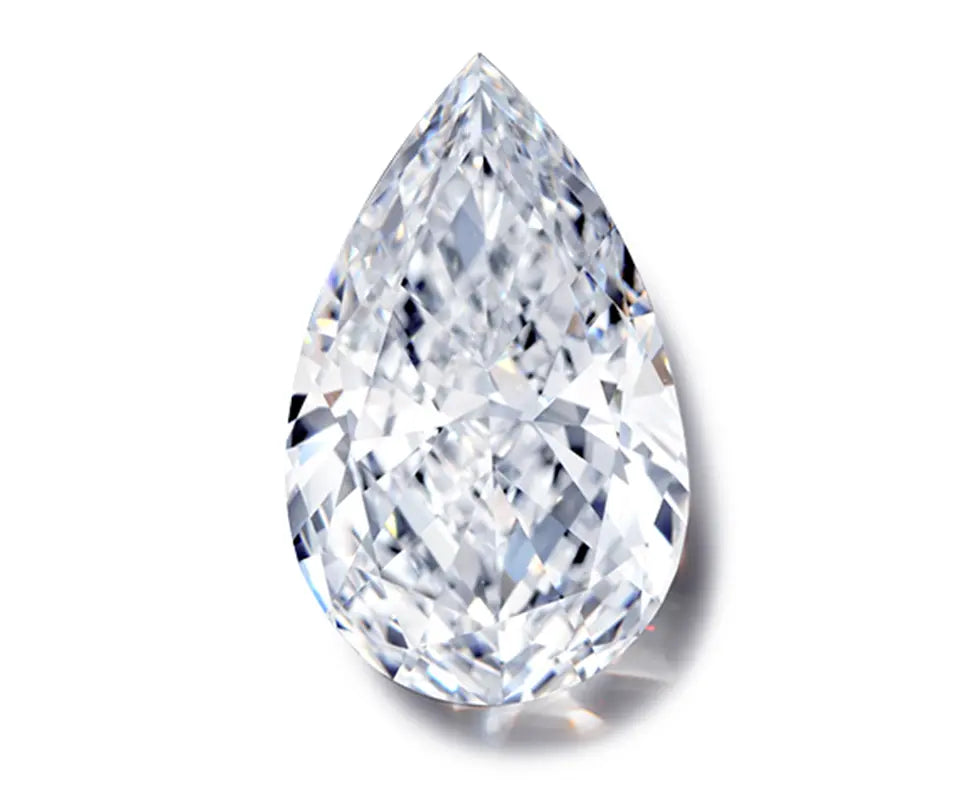
Expressive & elegant
A teardrop outline that combines a rounded end with one point. Orientation is a personal choice.
Compare symmetry, the bow-tie effect and protection at the tip.
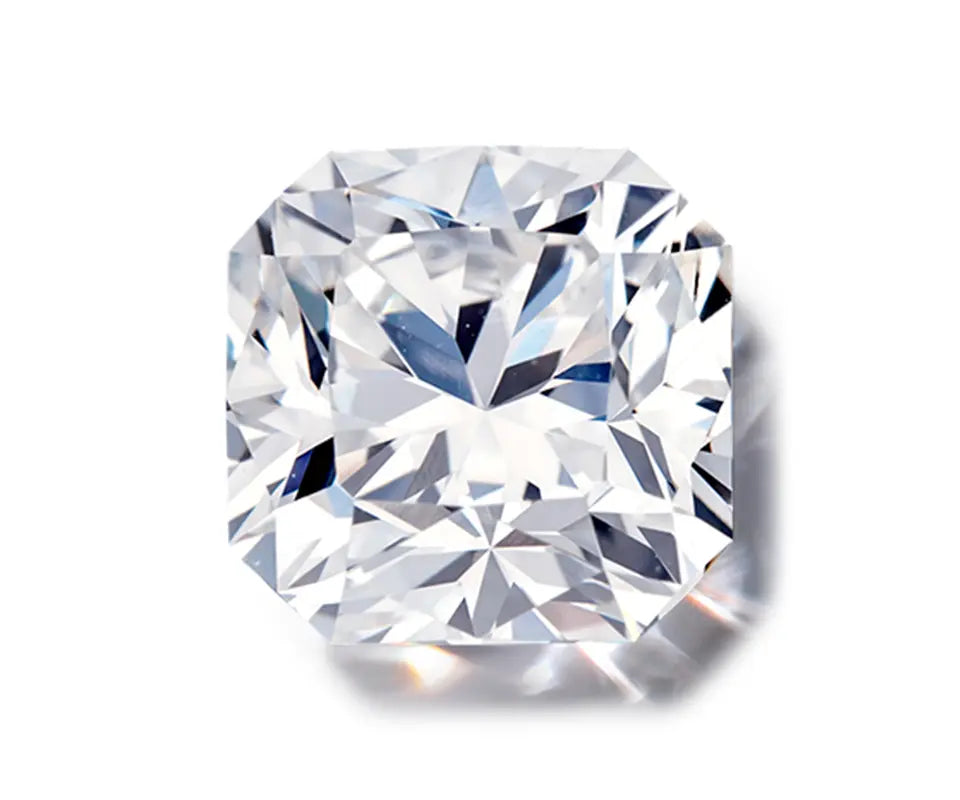
Angular outline. Lively sparkle.
A square or rectangular outline with cropped corners and brilliant-style faceting.
Compare shorter and more elongated proportions.
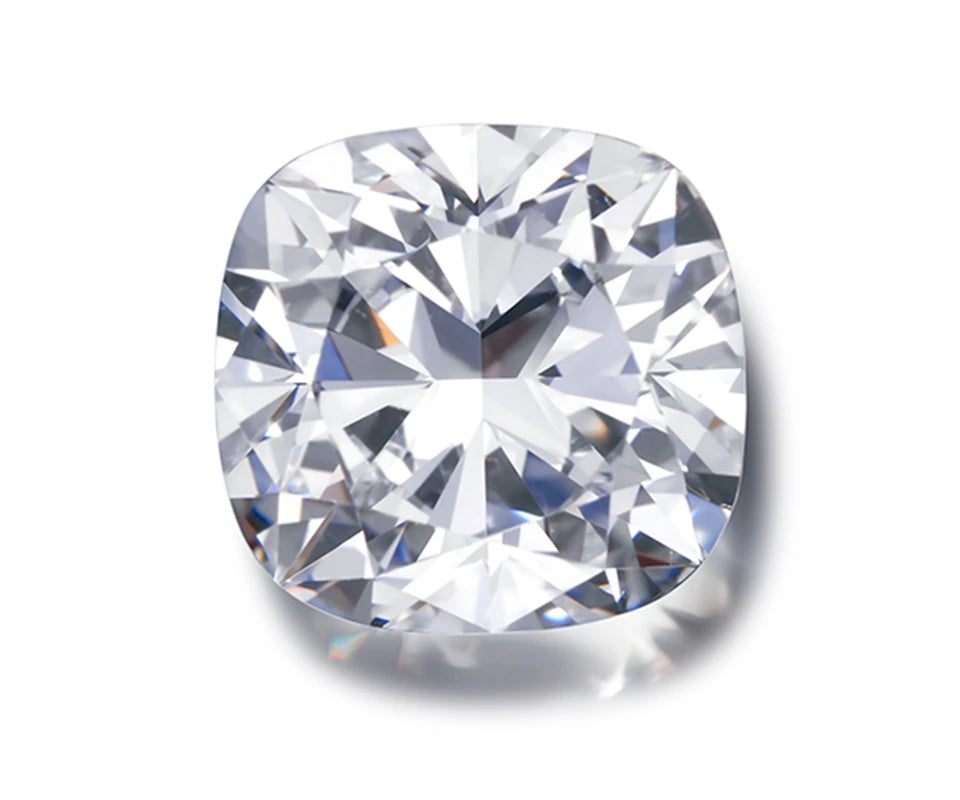
Soft corners. Individual character.
A pillow-like square or rectangle. Facet patterns and proportions can look very different from stone to stone.
Compare actual stones, even when their report names match.
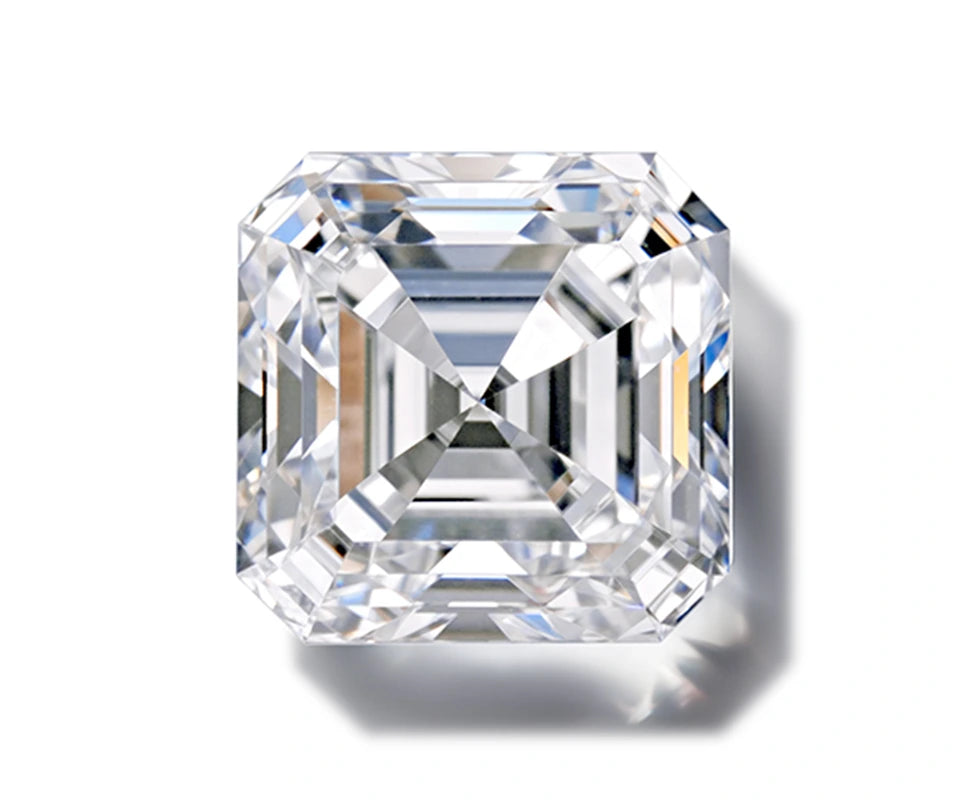
Graphic lines. Reflective depth.
A square step cut with cropped corners and a geometric, layered appearance.
Look for a balanced pattern and pleasing transparency.
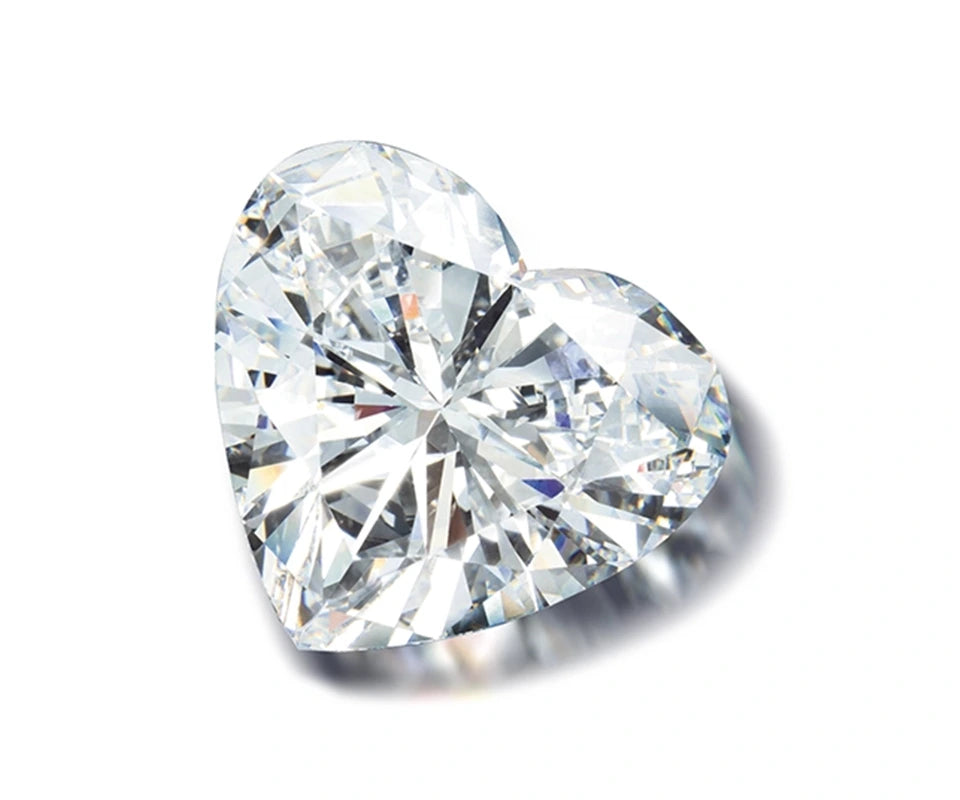
A personal symbol.
A shaped brilliant with two rounded lobes, a central cleft and a pointed tip.
Check that the two sides look balanced and the outline reads clearly.
Shape describes the outline. Cut style describes the facet arrangement. Cut quality describes proportions and craftsmanship. Two diamonds with the same outline can look very different.
Diamond images: GIA. Photos show shape only; they are not an actual-size or equal-carat comparison.
Learn more: GIA: Diamond shape guide · GIA: Oval cut diamond guide
02 / DIAMOND QUALITY
Four different characteristics describe a diamond. Read them together.
The traditional scales below explain natural-diamond grading terminology. Current GIA laboratory-grown assessments are explained in Origin & reports.
THE 4Cs / CUT
Cut quality influences brightness, colored flashes called fire, and the sparkle you see as a diamond moves.
GIA gives an overall cut grade to standard round brilliant diamonds in the D-to-Z color range. Fancy shapes do not receive the same overall GIA cut grade.
GIA CUT GRADES
Look at the actual stone in more than one light. Judge brightness and contrast in motion. For elongated brilliant shapes, look at how any bow-tie shadow appears.
Learn more: GIA: 4Cs Cut · GIA: Oval cut diamond guide
THE 4Cs / COLOR
The D-to-Z scale describes body color, from colorless to increasing visible tint.
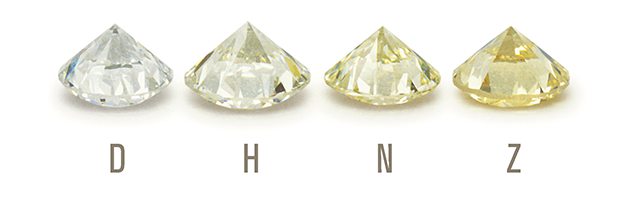
Color differences can be subtle. Compare diamonds side by side in similar lighting and against the same metal.
Fancy-color diamonds, such as pinks and blues, use a different color-grading system.
| Grades | Color group | What it means |
|---|---|---|
| D-F | ColorlessD E F | The colorless range of the D-to-Z scale. |
| G-J | Near colorlessG H I J | Small color differences can be subtle face-up. |
| K-M | FaintK L M | Faint body color becomes more apparent. |
| N-R | Very lightN O P Q R | A more visible degree of body color. |
| S-Z | LightS T U V W X Y Z | Light body color at this end of the scale. |
Learn more: GIA: Official diamond color scale
THE 4Cs / CLARITY
Clarity considers internal inclusions and surface blemishes. GIA evaluates these at 10x magnification.
| Grade | Category | At 10x magnification |
|---|---|---|
| FL | Flawless | No inclusions or blemishes visible to a skilled grader at 10x. |
| IF | Internally Flawless | No inclusions visible at 10x; surface blemishes may be present. |
| VVS1 · VVS2 | Very, Very Slightly Included | Inclusions are very difficult for a skilled grader to see at 10x. |
| VS1 · VS2 | Very Slightly Included | Minor inclusions are difficult to somewhat easy to see at 10x. |
| SI1 · SI2 | Slightly Included | Inclusions are noticeable to a skilled grader at 10x. |
| I1 · I2 · I3 | Included | Obvious inclusions at 10x may affect transparency and brilliance. |
Eye-clean is a viewing description, not a GIA clarity grade. The answer depends on the specific stone, its size and shape, and the viewing conditions.
Learn more: GIA: 4Cs Clarity
THE 4Cs / CARAT
Carat measures weight. Millimeter measurements describe the diamond’s dimensions.
Two diamonds with the same carat weight can look different in size. Shape and proportions change how the weight is distributed and how much is visible from above.
A 1.50 ct center plus 0.30 ct of accent diamonds equals 1.80 ctw for those diamonds. Total carat weight does not describe the center stone alone.
Carat (ct) measures diamond weight. Karat (K), as in 14K gold, describes gold purity.
Learn more: GIA: 4Cs Carat Weight · GIA: Understanding carat weight
03 / SETTINGS & STYLES
Start with the overall look. Then explore the details that hold it together.
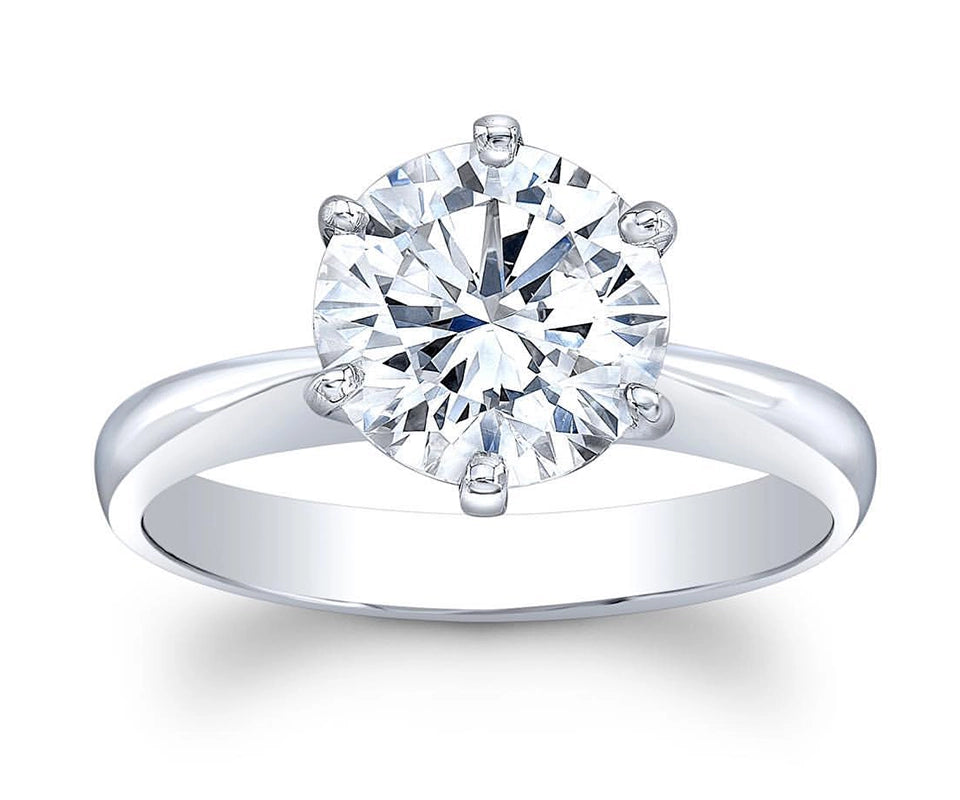
ONE FOCAL STONE
A single gemstone takes center stage. A plain band creates a clean, focused look.
Compare prong and bezel versions; both can be solitaires.
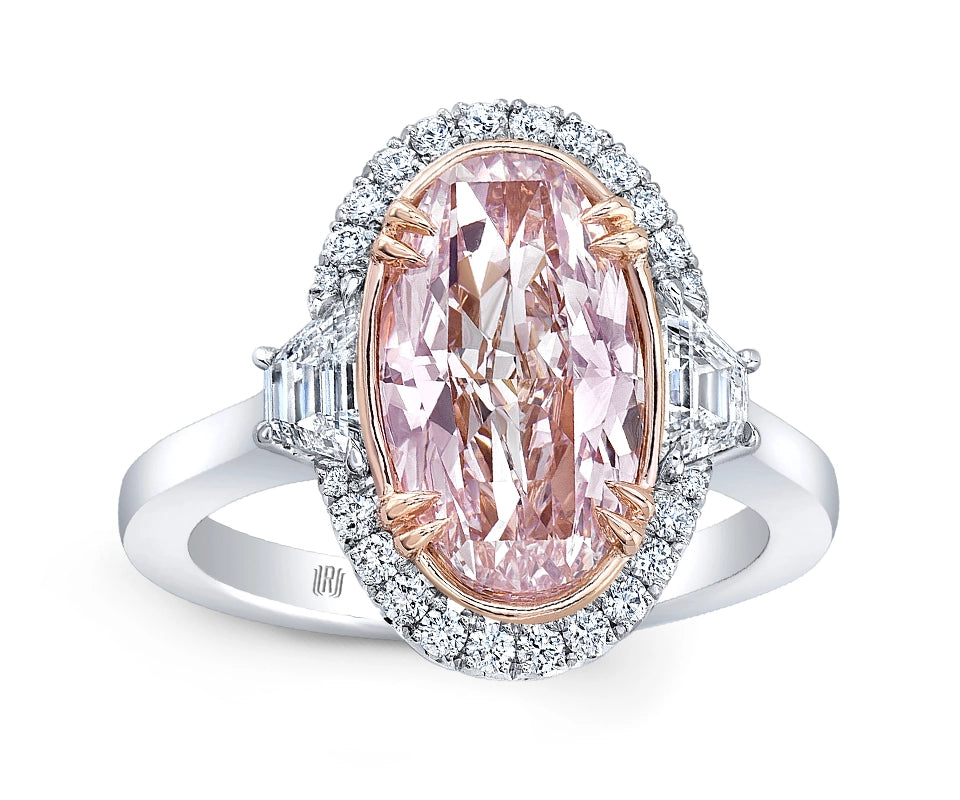
SPARKLE AROUND THE CENTER
A visible frame of small diamonds surrounds the center stone when viewed from above.
Adds visual presence without increasing the center stone’s carat weight.
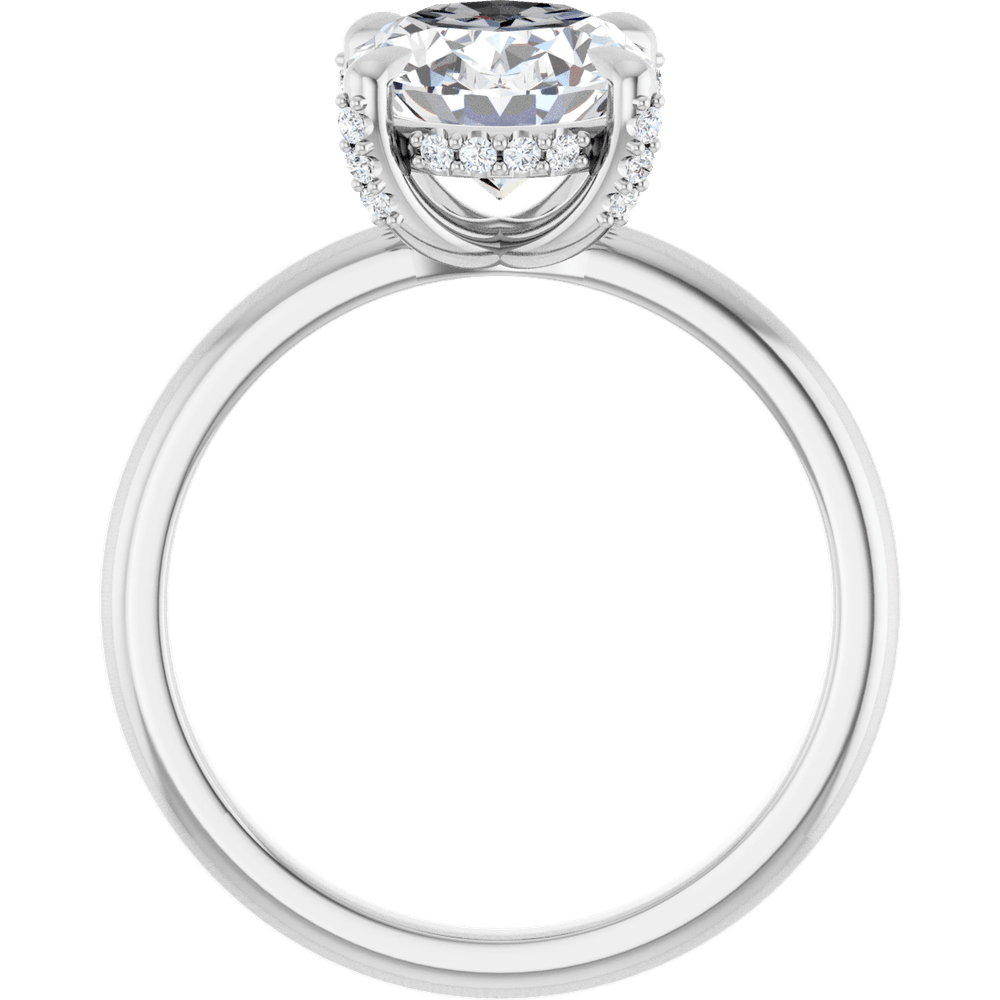
A DETAIL FROM THE SIDE
Small diamonds sit beneath the center stone, usually around the basket or gallery.
Ask to see the side view; the top can look much like a solitaire.
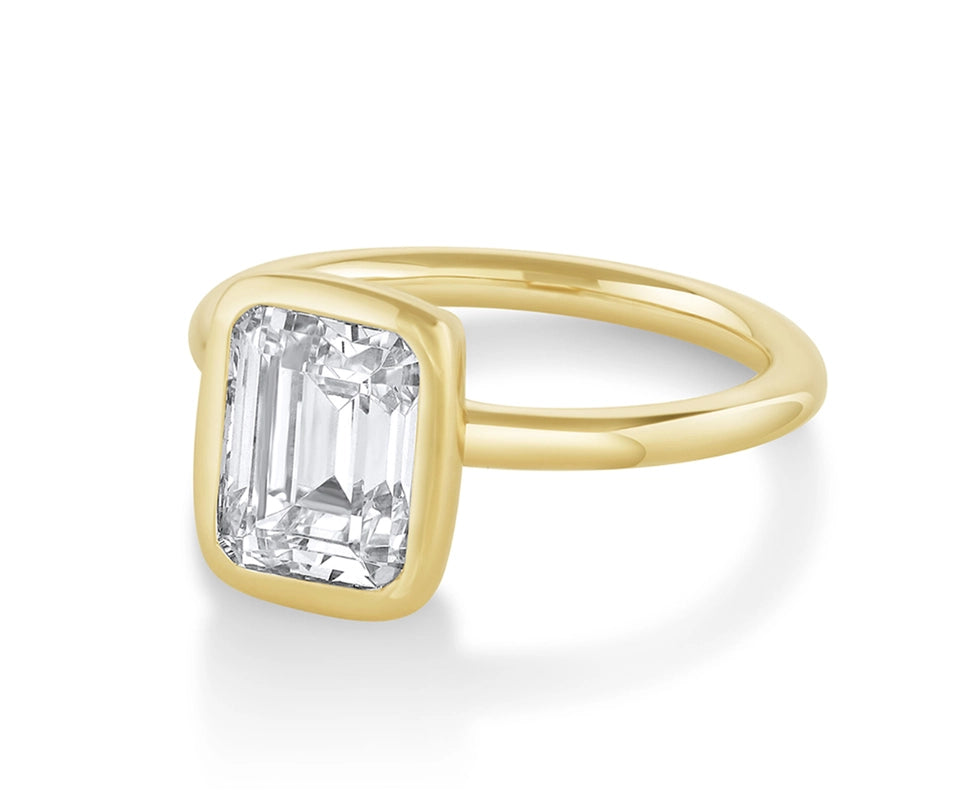
A SMOOTH METAL OUTLINE
A rim of metal holds the stone around its edge. A full bezel surrounds the entire outline.
Offers edge protection and a smooth profile; fit and construction still matter.
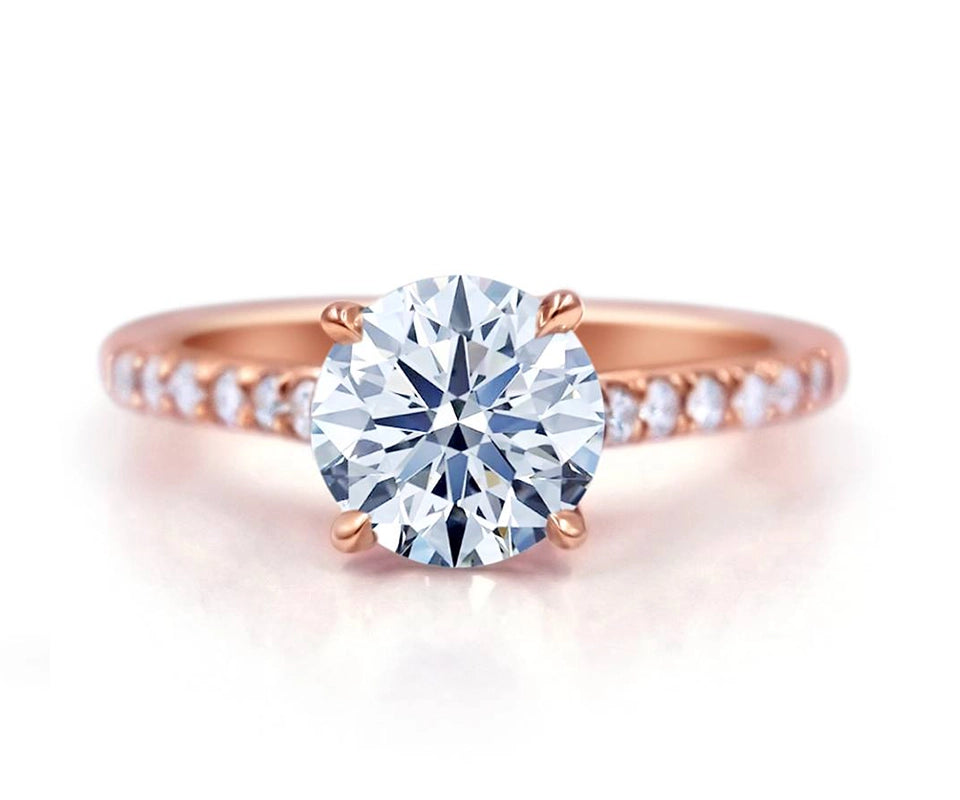
SPARKLE ALONG THE BAND
Closely set small diamonds create a shimmering surface, often along the shoulders or band.
Ask about future sizing, cleaning access and routine stone checks.
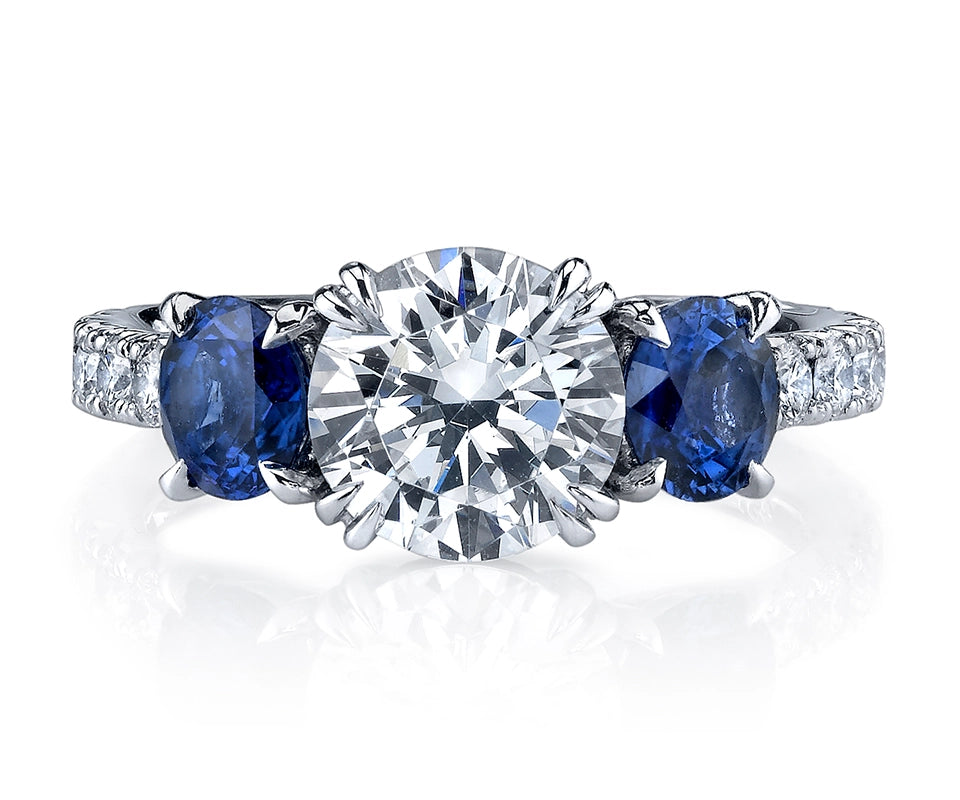
A CENTER WITH TWO PARTNERS
Two side stones frame the center. Shapes can match or create a deliberate contrast.
Compare the size and balance of the side stones with the center.
A bezel center can have a pavé band. A ring can have a hidden halo and side stones. “Solitaire” describes a single-stone design; “bezel” describes how a stone is held.
Learn more: GIA: Guide to engagement ring settings
A CLOSER COMPARISON
The difference is where the small diamonds sit, and where you see them.
A halo frames the center from above. A hidden halo adds detail beneath the center, usually seen from the side.
Ask to see both views and to try the ring beside a wedding band. A hidden halo does not automatically mean a low setting.
04 / RING ANATOMY
A few shared terms make it easier to describe the ring you want.

Bridge: the area beneath the head where it joins the shank. Not every ring uses the same structure.
Learn more: Brilliant Earth: Engagement ring anatomy
05 / MODERN DETAILS
A fresh look comes from the details you combine.
Set an elongated stone across the finger for a different orientation. Try it alongside a north-south version.
A wider or rounded band changes the balance of the ring. Compare width and thickness with the center stone.
Keep the top view clean and add a hidden halo beneath the center.
A warm gold band with a white-metal head creates contrast. Ask how each metal will be maintained.
METAL & FINISH
Try your preferred shape in more than one metal color.
14K gold is approximately 58.3% gold; 18K is 75%. Alloy, design and construction also affect wear. Ask about the exact alloy if you have metal sensitivities.
Learn more: GIA: Choosing a white metal
06 / ORIGIN & DOCUMENTATION
Both are diamonds. Their growth history is different.
Forms through natural geological processes within the Earth.
Choose it for its natural origin and the individual stone you love.
Grows in a controlled environment, commonly through HPHT or CVD processes.
Compare the specific stone, its documentation and the complete ring price.
They share the diamond crystal structure and have essentially the same chemical and optical properties. Appearance alone cannot reliably establish origin; professional testing can.
GIA’s current assessment for D-to-Z laboratory-grown diamonds uses Premium or Standard. Other documents can use different terminology. Check the issuing laboratory, date and actual document when comparing stones.
Moissanite and cubic zirconia are diamond simulants. They are different materials.
Learn more: GIA: Natural and laboratory-grown diamonds · GIA: Laboratory-grown diamond services
THE REPORT
Use the laboratory’s information to understand the specific diamond.
Check natural or laboratory-grown origin, the issuing laboratory and report number.
Review shape, dimensions and weight. Ask the jeweler to match the diamond to its documentation.
Check color and clarity where reported, cut grade where applicable, polish, symmetry, comments and any treatments.
For GIA documents, use GIA Report Check. A report describes characteristics; it is not a resale-price guarantee.
Fluorescence is a response to ultraviolet light. A fluorescence description alone does not tell you how a diamond looks in everyday lighting. Compare the actual stone and ask about its transparency and appearance.
Learn more: GIA: Diamond fluorescence facts
Learn more: GIA: Report Check
07 / EVERYDAY WEAR
See how high the stone sits and how the ring feels with your daily activities.
Try a band beside the ring. Some settings need a curved or contoured band to sit close.
Remove your ring for heavy manual work and harsh chemicals. Diamonds resist scratching but can still chip.
Ask for care instructions for your specific ring, including treatments, loose stones and safe cleaning methods.
Learn more: GIA: Guide to engagement ring settings · GIA: Diamond care and cleaning
YOUR NEXT STEP
Start with two shapes, a setting style, a metal color and a comfortable total budget. We’ll help you compare the details, one ring at a time.
Continue with Midas